Bedding Guide
How to Choose Pillow Covers for Everyday Sleep Comfort
A pillow cover is one of the few fabrics you meet every night, so its texture, fit and care routine matter. Here’s how to compare materials and details—from organic flax to the shape of the closure—and find an option that feels right for your sleep habits.
The bedding decision that changes how a bed looks is not always the one that changes how it feels. A pillow cover sits close to your face, moves with you through the night and goes through the wash more often than many other household textiles. It should feel pleasant against your skin, fit the pillow without a wrestling match and be manageable to clean on an ordinary laundry day.
That combination is more useful than chasing a single headline claim. “Soft,” “cooling” and “easy care” can sound definitive, but the experience depends on the fabric, its weave and finish, the pillow inside it, your room and your personal preferences. A thoughtful comparison starts with the everyday basics: how the material feels, whether the dimensions suit your pillow and what the care instructions ask of you.
First, get clear on what you’re buying
A pillowcase is the fabric layer that covers a pillow used for sleeping. A decorative pillow cover, sometimes called a cushion cover, may be designed for a throw pillow or accent cushion instead. The terms can overlap in casual conversation, but the intended use and dimensions matter. If the goal is a comfortable surface for nightly rest, look for pillowcases or pillow covers made for sleep pillows, not just decorative accents.
Check the product details before you decide. Confirm how many cases are included, whether the size is Standard, Queen or King, and whether the listing refers to a pair or a single piece. These small checks can save a disappointing discovery when the package arrives—or when laundry day leaves you short one matching case.
Pay attention to the opening, too. An envelope-style closure tucks the pillow inside, while some cases are open-ended. Decorative covers may have a zipper or another closure. None is automatically best; the right construction is the one that keeps the pillow in place and suits how you make the bed.
Start with the feel against your skin
Texture is personal. Some people like a crisp, smooth surface; others prefer a fabric with visible texture and a softer, more relaxed drape. If you’re sensitive to scratchiness or simply particular about what touches your face, look beyond broad descriptions. Material, weave, washing and finishing can all influence how a pillowcase feels in use.
Linen is made from flax fibers and is known for its distinctive, natural texture. It may feel more textured or substantial than a finely woven cotton case, especially when new. That feel often changes with regular use and washing: linen can become more supple over time while retaining its characteristic surface. If you enjoy fabric that looks gently lived-in rather than perfectly smooth, it may be a good match. If your preference is a polished, silky feel from the first night, consider whether a textured textile is likely to suit you before choosing.
Descriptions such as “relaxed,” “washed” or “garment-washed” refer to finishing that gives fabric a softer, less crisp hand. They are useful clues, but they don’t guarantee that every person will experience the fabric in exactly the same way. Whenever possible, feel a fabric sample or handle a similar textile before committing. If that isn’t an option, read the material and construction details carefully and set expectations around linen’s natural texture.
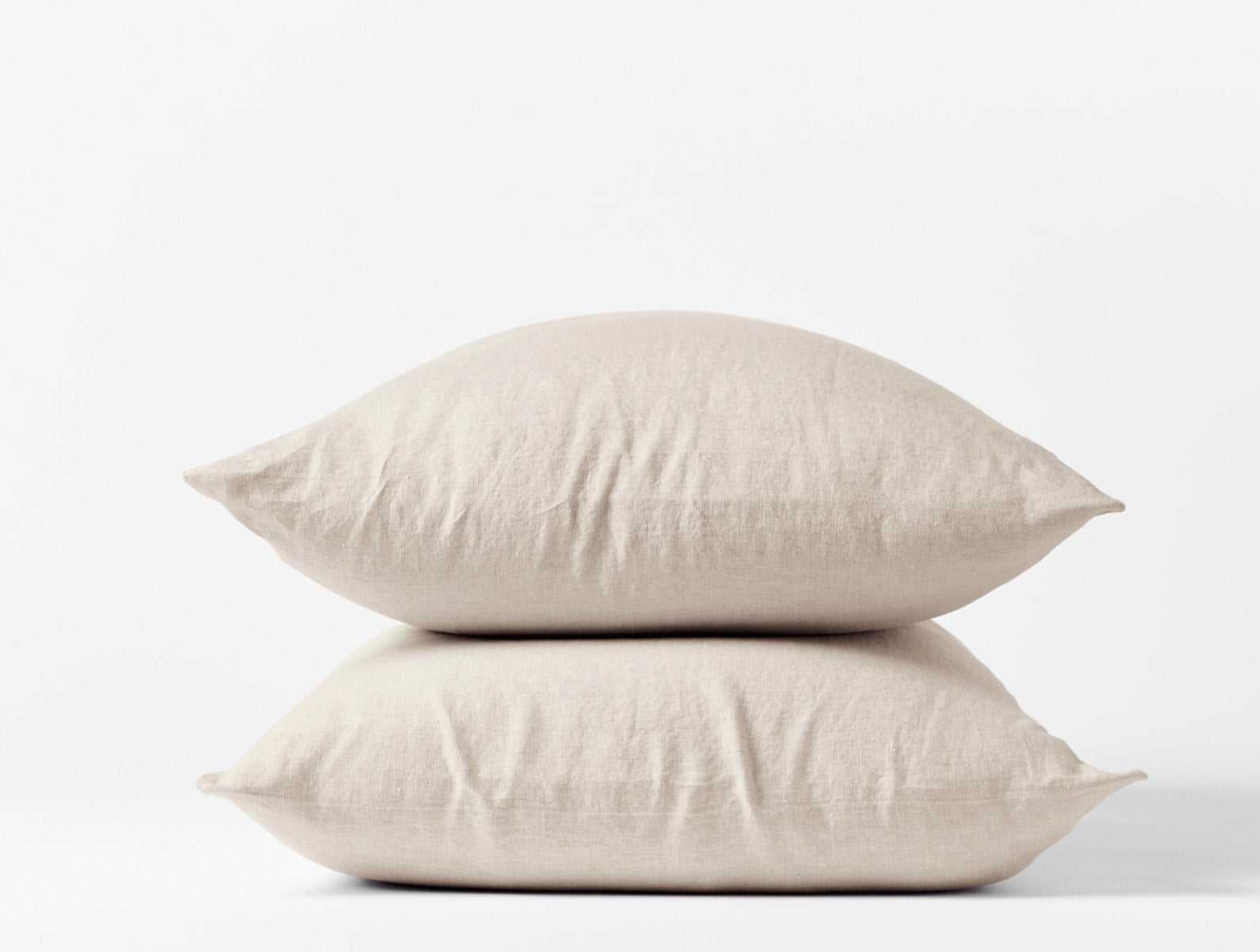
A good example of an organic flax option is Organic Relaxed Linen Pillowcases, described as French-grown organic flax woven into linen in Portugal. The garment-washed fabric has a relaxed feel, with pick-stitched cuffs. The listing specifies a pair of pillowcases and recommends cold, gentle-cycle washing. Those details offer a more useful picture than the word “soft” alone: they tell you what the fabric is, how it is finished and what routine it is designed for.
Understand breathability without expecting miracles
Breathable fabric can help air move through the bedding, but no pillowcase can promise a particular sleep temperature. Warmth depends on more than the cover: room conditions, the pillow’s fill, the rest of your bedding, sleepwear and individual comfort all play a part. Material descriptions are best treated as helpful information, not a guarantee that every sleeper will feel cool all night.
Linen is often chosen for its airy, natural-fiber feel and its ability to manage moisture. That can make it appealing to people who prefer a less clingy surface or who want bedding that feels comfortable across changing seasons. The structure and weight of the fabric matter, too. Two linen cases may differ in texture and drape depending on how they are woven and finished.
Think about your own pattern rather than an idealized promise. Do you tend to feel warm at night? Do you like a light, airy textile, or do you prefer a smoother surface? Does your room stay humid, or does indoor heating make the air feel dry? These questions won’t identify a universally perfect fabric, but they can help narrow the choices to materials that better suit your preferences.
Also consider the full bedding combination. A breathable pillowcase paired with a pillow that holds a lot of heat may not feel as comfortable as expected. If temperature is a priority, look at the pillow fill and the other layers on the bed, not just the cover. The most successful choice is usually the one that works as part of your sleep setup.
Get the fit right before you fall for the finish
Even a lovely fabric can be frustrating if the case is too small or too loose. Check the size printed on your pillow and compare it with the pillowcase measurements. Standard, Queen and King are common labels, but dimensions can vary by manufacturer. If your pillow is unusually plump, has a gusset or is a less common size, measurements matter more than the name alone.
When possible, measure the pillow before ordering. Lay it flat and measure from seam to seam rather than pulling it tightly. Also consider how full it is. A generously filled pillow may need more room than a flatter one of the same nominal size. A case that is too tight can strain seams or compress the pillow; one that is excessively roomy may bunch or shift while you sleep.
Fitted appearance is not merely about neatness. Excess fabric can gather near your face, while a tight case can feel restrictive and make the pillow harder to turn or fluff. For a bed shared by two people, matching sizes can simplify laundry and keep the arrangement looking consistent. For a mix of pillows, note each size and buy accordingly rather than assuming one case will suit them all.
Review what the set includes, as well. Some sheet sets contain pillowcases, while individual pillowcases are often sold in pairs. Decorative pillow covers may not include an insert. A quick inventory of the pillows you actually use can help you buy the right number and avoid unnecessary extras.
Read fiber and origin details carefully
Labels can help you distinguish one textile from another, but it is worth reading the full description rather than relying on a name or a single sustainability phrase. “Linen” identifies a fabric made from flax, while “organic” refers to how the fiber is grown and processed under a particular certification or standard. If a product claims certification, look for the named certification and check the product’s details for what it covers.
Origin information can describe several different parts of production. The flax may be grown in one country, the yarn or fabric woven in another, and the finished pillowcase sewn elsewhere. These are not interchangeable details. A clear product description may name where the flax was grown and where the linen was woven, allowing you to understand more of the supply chain without assuming every stage happened in one place.
Organic certification is one consideration, not a substitute for every other question. You may also want to compare the fabric’s durability, care requirements and feel. A certified option still needs to fit your pillow and your laundry routine. Likewise, a natural fiber is not automatically the right choice for every household or every skin preference. Use the available details to make a decision that balances values with practical comfort.
Finishing matters as well. Garment washing can give fabric a softer hand, while low-impact dyes or plant-based softeners may be stated as features of a particular product. Such information can help you compare options, but avoid assuming that one finish means a product needs no care or will feel the same to every person. The best label is one that answers your actual questions clearly.
Choose care instructions you can live with
Everyday comfort includes what happens after the pillowcase comes off the bed. Before buying, check the care label or product instructions. A case that needs a gentle cycle, a particular temperature or prompt removal from the dryer may be a sensible choice if those steps fit your routine. If your household relies on quick, high-heat laundry, a more delicate care plan could become an ongoing annoyance.
For linen pillowcases that specify machine washing, follow the directions for that particular item. A cold or cool wash on a gentle cycle with like colors is commonly recommended for relaxed organic linen. Use a suitable amount of detergent and avoid overcrowding the machine, so the fabric has room to move and rinse. Product-specific instructions take priority over general advice: different finishes and constructions may call for different handling.
Drying deserves just as much attention. When a label recommends low heat, don’t assume a hotter setting will save time without consequences. High heat and extended drying can put unnecessary stress on fibers and seams. Remove pillowcases promptly if instructed, and avoid leaving them in a hot dryer after the cycle ends. If you prefer a smoother appearance, a warm iron may be suitable for some linens, but ironing is optional for many people who like a relaxed finish.
Fabric softener is not a universal shortcut to softness. Some product instructions specifically say not to use it, while others may describe a finish applied during manufacturing. Follow the care guidance rather than adding products by habit. Similarly, avoid bleach or whitening agents unless the label explicitly permits them; they can affect color and fabric. Care labels are practical instructions, not decorative fine print.
Good laundry habits can support the fabric’s useful life. Wash pillowcases regularly according to your household’s needs, sort by color, and treat spots promptly with an approach suitable for the fiber. For stains, avoid rubbing aggressively or using an untested chemical. If the fabric is valuable or the stain is stubborn, consult a reliable textile-care professional or the manufacturer’s guidance before trying a stronger treatment.
Think about durability and everyday wear
Pillowcases are in frequent rotation, which means construction details can be worth a close look. Inspect seams, hems and closures, particularly if the case will be washed often. Pick stitching or a neatly finished cuff may contribute to the appearance and construction, but no decorative detail can replace sound sewing and appropriate care.
Natural fibers can be durable, yet durability is shaped by the whole product: the fiber quality, weave, finishing, stitching and how it is laundered. Avoid treating a single material claim as a guarantee of lifespan. A well-made pillowcase that is cared for as directed can be a practical everyday item, but friction, overfilling, rough washing and high heat may all affect its condition over time.
Consider having enough pillowcases to rotate between laundry days. A small rotation can make the routine easier and prevent one pair from bearing every wash. Store clean cases in a dry place, and avoid compressing damp linens into a drawer or hamper. If you notice a seam starting to open, repair it early when practical rather than waiting for the damage to spread.
Make the choice personal, not complicated
A useful comparison does not need a long checklist. Begin with the pillow’s dimensions. Then decide how you want the fabric to feel, how much texture you enjoy and whether the care instructions fit your week. Look at material composition and any certification or origin information that matters to you. Finally, check the number of cases included and the details of the closure and finish.
If you are unsure about linen, start by thinking about what you already like in bedding. If you appreciate breathable natural fabrics, a relaxed surface and a look that does not need to be perfectly smooth, linen may be worth considering. If you prefer a sleek, cool-to-the-touch finish, compare it with other fibers and weaves before settling on a choice. Neither preference is more correct; comfort is personal.
Try not to judge a newly purchased linen case only by its first touch. Linen’s feel can evolve with washing and use, so the initial texture may not represent how it will feel later. At the same time, do not assume that it will transform into a completely different fabric. Its natural character remains part of the experience. Buying with realistic expectations is a better route to satisfaction than relying on a promise that the material will suit everyone.
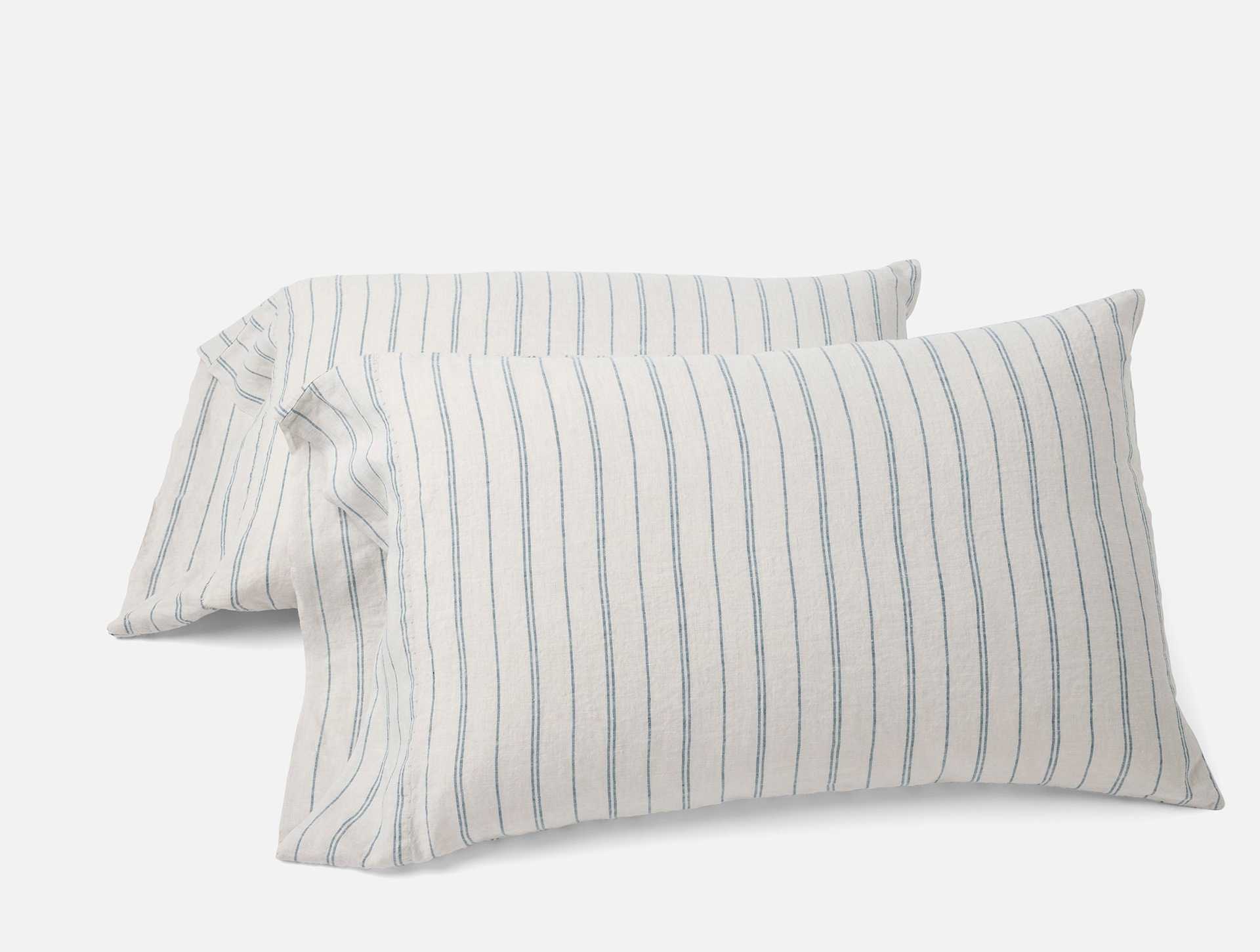
Color and style can matter, too, because a pillowcase is part of the room as well as a sleep surface. Neutral shades are easy to mix with other bedding, while stripes or deeper colors can add definition. If you choose a colored case, wash it with similar colors and follow the instructions to help preserve its appearance. A simple, coordinated set may feel serene; a mix of textures can make the bed look more relaxed and personal.
A quick buying checklist
Before you make a decision, run through these practical questions:
- Is this a sleeping pillowcase or a decorative pillow cover?
- Does the listed size match your pillow’s measurements and fullness?
- How does the fabric feel, and do you enjoy its texture?
- Does the description identify the fiber, weave or finish clearly?
- If organic certification matters to you, is the certification named?
- How many pillowcases are included, and what kind of closure do they have?
- Can you follow the recommended wash and drying routine?
- Does the color and appearance work with the bedding you already own?
These questions keep the decision grounded in how the item will actually be used. A beautiful finish is a bonus; a comfortable feel, a suitable fit and manageable care are the foundations.
The bottom line on pillow covers for sleep
The best pillow cover is not necessarily the most expensive, the smoothest or the one with the longest list of claims. It is the one that fits your pillow, feels agreeable against your skin and can be cared for without turning laundry into a special project. For some sleepers, that may mean relaxed organic linen; for others, a different fiber or weave will feel more familiar.
When comparing organic linen pillowcases, look for useful specifics: flax origin, where the linen was woven, fabric finish, included quantity and clear washing instructions. Expect the texture to have natural character, and remember that it may soften with use. Take those details together rather than treating any single feature as a guarantee of comfort.
Ultimately, everyday sleep comfort is built from small choices repeated night after night. A well-fitting case with a fabric you like and a care routine you can maintain may be a quiet upgrade—one you notice not because it demands attention, but because it feels right when you settle in.