Bedding Guide
What to Know Before Choosing a Coyuchi Organic Relaxed Linen Sheet Set
A linen sheet set can feel like a small bedroom upgrade with a big everyday payoff—if its texture, fit and care routine suit the way you sleep. Coyuchi’s Organic Relaxed Linen Sheet Set is made with organic flax grown in France and woven into linen in Portugal. Here’s what to check before bringing that relaxed, lived-in feel home.
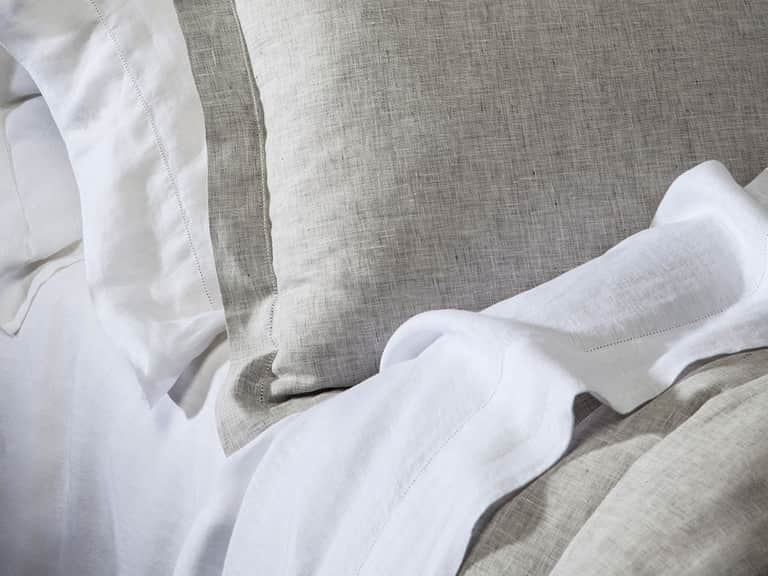
Linen has a way of making a bed look considered without looking overly arranged. Its softly rumpled surface brings texture and ease, while the fabric’s natural breathability makes it appealing to sleepers who dislike the close, clingy feel that can come with some bedding. Coyuchi’s Organic Relaxed Linen Sheet Set leans into that casual character: the sheets are designed to soften with use, offer a breathable sleep surface and feel at home across seasons.
But “linen” is only the beginning of the buying decision. A set needs to fit your mattress, include the pieces you expect and match your approach to laundry. Details like fitted-sheet pocket depth, the pillowcase count for each size and the recommended wash temperature can matter more once the box is open than a color name or styled bedroom ever will.
This guide walks through the practical details behind the set, explains what its sourcing and construction information can—and cannot—tell you, and helps you decide whether a relaxed linen finish belongs in your everyday rotation.
What makes this linen sheet set “relaxed”?
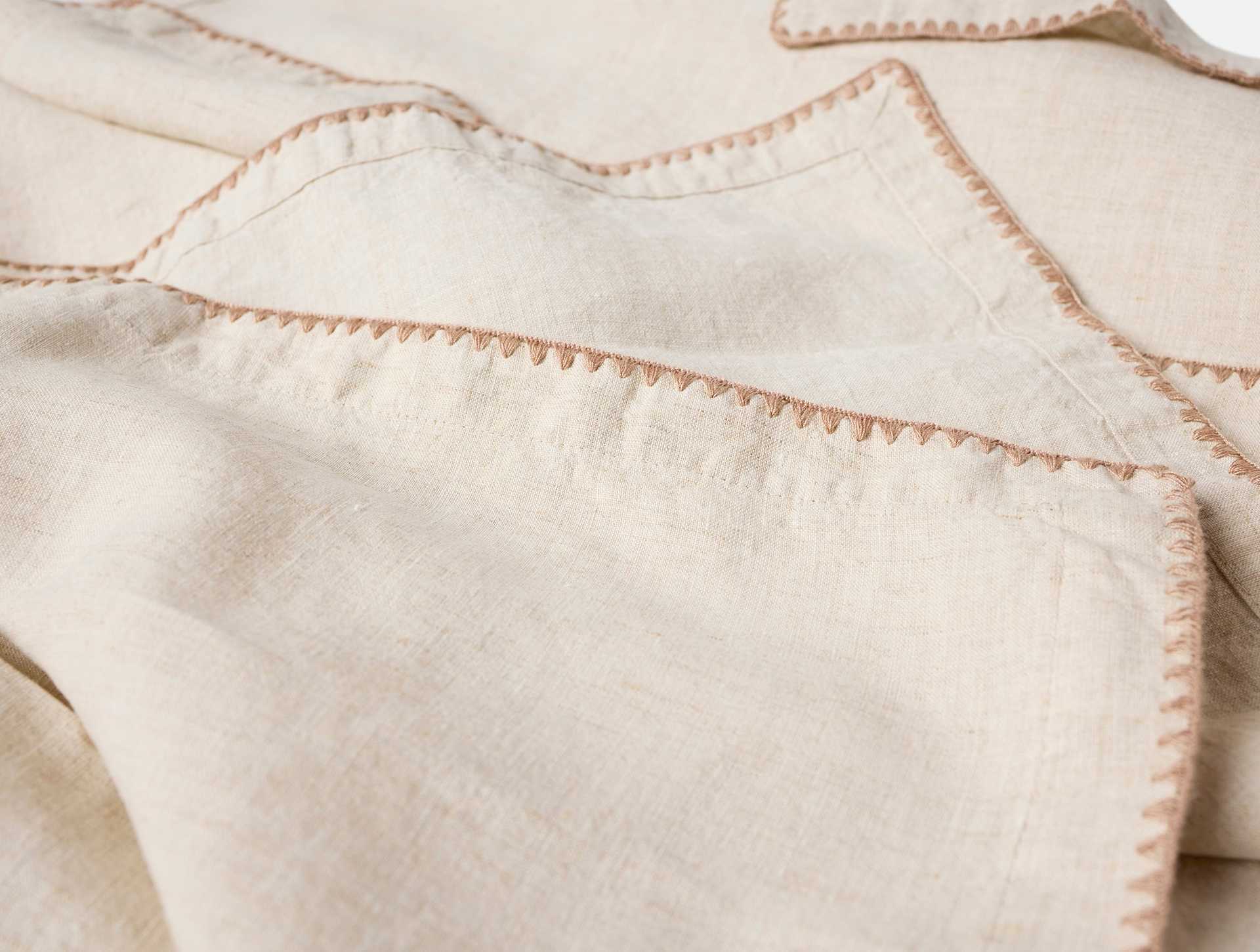
Relaxed linen is less about looking perfectly pressed and more about an easy, tactile finish. The fabric’s natural texture remains part of its appeal, so small creases and irregularities are expected rather than signs that something has gone wrong. Coyuchi describes this set as having a relaxed feel that softens with use. Its cuffs have subtle pick stitching, a quiet finishing detail that adds definition without changing the overall laid-back look.
That character can be a plus for anyone who wants a bedroom that feels welcoming rather than showroom-smooth. It may be less appealing if your ideal sheets are crisp, sleek and freshly ironed every morning. Linen can be ironed if you prefer a neater appearance, but many people choose it precisely because it does not demand that level of finishing.
Texture is personal, and the word “soft” does not mean exactly the same thing to every sleeper. Linen’s hand can feel more substantial and textured than lightweight cotton percale or sateen. The set is described as becoming softer over time, but it is still linen: expect a distinctive woven feel rather than a silky, slippery surface.
Follow the flax from field to finished fabric
The product details identify the material as 100% organic flax grown in France and woven into linen in Portugal. That distinction is useful: the flax’s stated growing origin and the location where it is woven are different parts of the textile’s journey. The set is also described as GOTS certified, a certification associated with organic textile processing and production requirements. If certification is a priority, check the current product label and seller information for the exact scope and details that apply to the particular item you are considering.
Organic sourcing may be one factor in a purchase, but it does not tell you everything about a sheet’s performance, durability or environmental footprint. Those questions also depend on how the fabric is made, how long it remains in use, how it is cared for and how it is eventually handled at the end of its life. A well-kept set that stays in regular rotation can be a more practical choice than bedding that is seldom used, regardless of its label.
For shoppers comparing linen options, origin details can help make product descriptions more transparent. They are not, by themselves, a promise that every stage of the supply chain is identical or that two products will feel the same. Weave, finishing, fabric weight and construction all contribute to the experience. Where a listing does not provide a specification—such as grams per square metre—it is better not to guess from appearance or from another product in the same collection.
Check the fitted-sheet depth before you order
A fitted sheet that slips off a corner can turn a lovely fabric into a nightly annoyance. Coyuchi’s Organic Relaxed Linen Sheet Set is listed with a 15-inch-deep fitted sheet and full elastic. That depth is a useful starting point, but it is not a universal fit guarantee. Measure the mattress itself and account for any topper, pad or protector that will stay on the bed beneath the sheet.
To get a realistic measurement, check the mattress from its bottom edge to its highest point, including any added layers. Compare the total with the fitted-sheet pocket depth and leave room for the sheet to wrap under the mattress. A very thick mattress or a tall topper can make a nominally deep pocket feel tight; a shallow mattress may leave excess fabric that is harder to keep smooth.
- Measure the full sleeping surface: Include mattress toppers and protectors you use every night.
- Check mattress dimensions: Confirm the size label matches your bed; mattress sizes and naming conventions can vary by region.
- Look for elastic details: This set is described as having full elastic, which helps the fitted sheet hold around the mattress, though fit still depends on depth and shape.
- Review the exact listing: Confirm the pocket depth for the size and current version you intend to buy.
These simple checks are especially worthwhile if the bed has a thick pillow-top, a separate foam layer or an unusually deep mattress. If the measurements are close, look for the seller’s current fit guidance before making a decision.
Know what comes in the set
“Sheet set” sounds straightforward, but included pieces can differ by size and by retailer. The product information describes a flat sheet, a fitted sheet and pillowcases, with the pillowcase count varying according to the selected size or configuration. Before checking out, verify the precise contents shown for the size in your cart rather than assuming that every set includes the same number of cases.
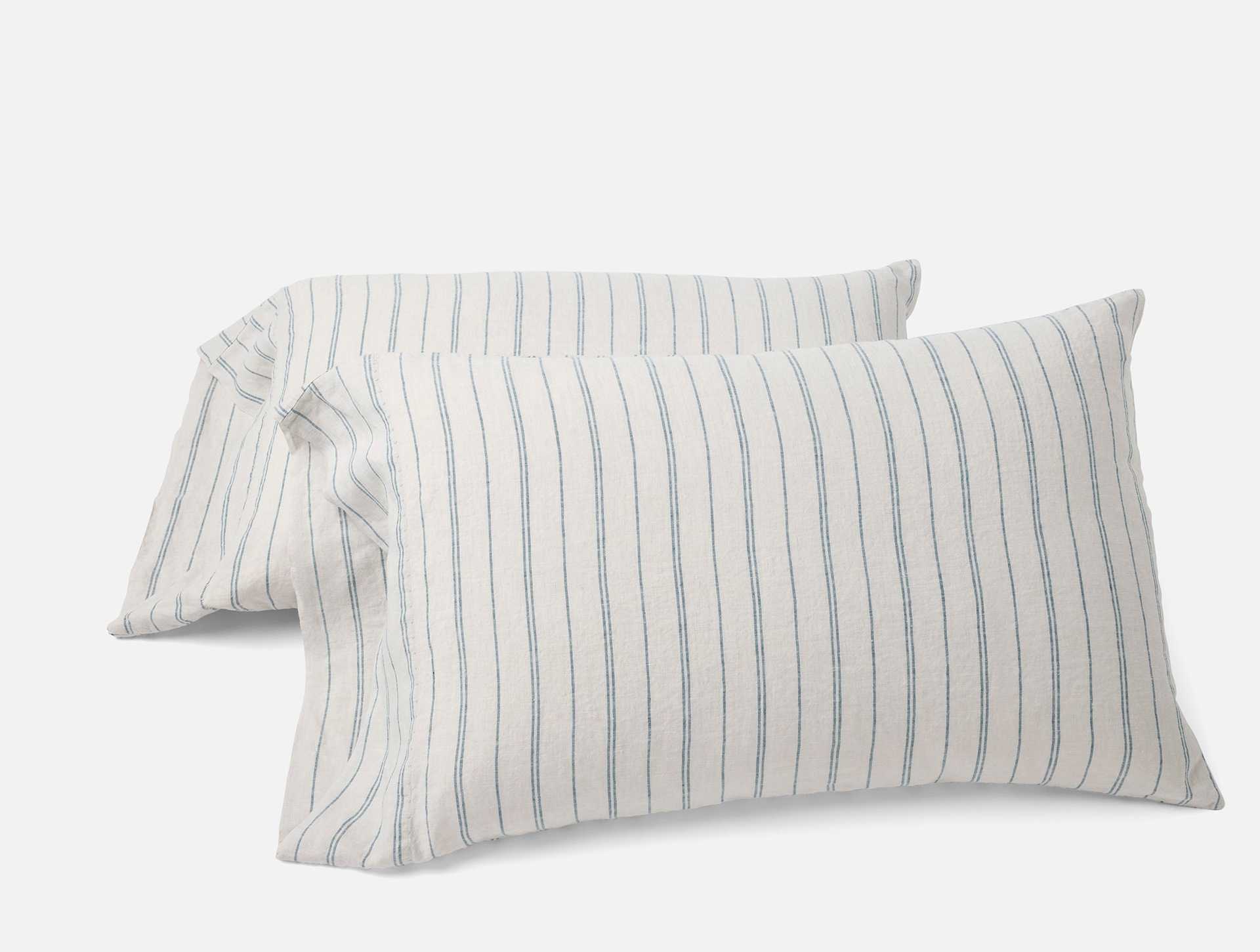
It is also helpful to confirm whether the pillowcases are standard/queen or king, and whether those dimensions work with the pillows you already own. A case that is too short can bunch at the end; one that is much too large may not give the tidy fit you prefer. If you need extra cases, matching Coyuchi Organic Relaxed Linen Pillowcases are described as being made from organic flax grown in France and woven into linen in Portugal, with pick-stitched cuffs and a garment-washed finish.
That separate option can be useful when you want a spare pair for laundry day or need to outfit more pillows than the set provides. Check its sizing and current care label as well, since a coordinating product’s details should not be treated as a substitute for the sheet set’s own specifications.
How linen feels while you sleep
Linen’s breathable character is a major reason people consider it for bedding. The fabric is often valued for allowing airflow and helping moisture move away from the skin. That can make it an appealing option for people who tend to feel warm at night, although no sheet can control room temperature or guarantee a particular sleep experience. Your climate, mattress, duvet, pajamas and personal comfort preferences all play a part.
The set is presented as suitable for year-round use. That does not mean the same bedding will feel identical in every season. In warmer conditions, a lighter top layer may be enough; in colder months, blankets or a duvet can add insulation. Linen’s textured hand and breathable construction can work as part of that flexible layering approach.
One useful way to think about linen is as a material with its own personality, not a magic temperature-control solution. If you are moving from smooth cotton, give yourself time to adjust to the texture. If possible, try a sample or compare the fabric with linen you already know before investing in a full set. People who enjoy a natural, slightly uneven surface are more likely to appreciate the relaxed finish than those who want a perfectly uniform feel.
A laundry routine that helps linen last
The listed care guidance for the Organic Relaxed Linen Sheet Set calls for machine washing in cold water, using a gentle cycle, and tumble drying on low. Some product descriptions also suggest washing with like colors and using a plant-based softener. Always follow the care label supplied with your own set, since instructions can vary with color, finishing and product updates.
Before the first wash, check the label and separate pale and dark colors. Use a suitable amount of detergent: too much can leave residue, while an overcrowded drum can prevent sheets from moving freely through the wash. Washing bedding with items that have hooks, rough fasteners or abrasive surfaces may increase the chance of snags.
- Wash the set with like colors and follow the label’s recommended temperature and cycle.
- Use a moderate amount of detergent and avoid adding bleach or other treatments unless the care label permits them.
- Choose low heat for tumble drying if that is allowed by the label, and remove the sheets promptly when dry.
- Fold or put the bedding back on the bed rather than leaving it compressed in the dryer or laundry basket.
Low-heat drying can be gentler than a high-heat cycle, while line drying may be an option if your space, weather and care instructions allow it. Avoid assuming that every linen item can be cared for exactly the same way. A decorative cover, a different linen weave or a garment-dyed textile may have its own directions. The product label takes priority over general advice.
Fabric softener is another detail to treat carefully. The product information mentions a plant-based softener finish and recommends one in some descriptions, but routine additions are not automatically necessary. If you use a softener, follow both the textile label and the product’s care guidance. Avoid experimenting with strong treatments when you are unsure how they may affect the fabric or finish.
Set expectations for wrinkles and softening
Linen wrinkles. That is part of the familiar, relaxed look, and it may be exactly what you want. If a more polished bed is your preference, remove the sheets promptly from the dryer and smooth them while making the bed. A warm iron may be used if the specific care label permits it, but a pressed finish is optional rather than a requirement of owning linen.
The fabric is described as softening with use. That change is gradual, and it should not be read as a reason to wash the sheets more often or use harsher products to speed things up. Gentle, consistent care is a sensible way to preserve bedding. Over time, regular laundering and use can change the hand of a textile, but the exact pace depends on washing conditions and how frequently the set is used.
Small variations in the surface are also consistent with linen’s natural, textured appearance. The set’s relaxed aesthetic is not meant to mimic a perfectly smooth cotton sheet. If you are shopping for a crisp hotel-style finish, compare the fabric in person or consider whether a different material would better fit your expectations.
Who may appreciate this set—and who may not
This set may suit sleepers who value natural-fiber bedding, a relaxed texture and a fitted sheet designed for mattresses up to the stated pocket depth. Its organic flax sourcing and GOTS certification may also be relevant to shoppers who consider certification and material origin as part of their purchasing decisions. The cold, gentle wash and low-heat drying instructions are fairly clear, but they still need to fit your household’s laundry habits.
It may be less suitable if you strongly prefer smooth, wrinkle-free sheets, have a mattress combination that exceeds the pocket depth or expect a different number or style of pillowcases than the set includes. It is also worth pausing if you know that your household routinely uses high-heat drying or aggressive stain treatments and is unlikely to change those habits for bedding.
There is no single “best” sheet for every sleeper. The right choice is the one that meets your comfort preferences, fits the bed and feels manageable to care for after the novelty wears off.
A practical pre-purchase checklist
Before choosing the Coyuchi Organic Relaxed Linen Sheet Set, take a moment to check these points against your own bed and routine:
- Material and origin: The set is described as 100% organic flax, grown in France and woven into linen in Portugal.
- Certification: Product information identifies the set as GOTS certified; confirm current certification details on the item you are purchasing.
- Feel: Expect a relaxed, textured linen hand that is described as softening with use, not a silky or pressed-smooth surface.
- Fitted-sheet fit: Compare the listed 15-inch pocket depth with the complete height of your mattress and any topper or protector.
- Set contents: Confirm the flat sheet, fitted sheet and pillowcase count for your selected size.
- Laundry: The listed guidance is cold, gentle machine washing and low-heat tumble drying. Follow the label on your own set.
- Styling preference: Decide whether linen’s natural wrinkles and softly lived-in appearance fit the bedroom you want.
The bottom line
Coyuchi’s Organic Relaxed Linen Sheet Set brings together French-grown organic flax, linen woven in Portugal, a relaxed finish and a fitted sheet with a listed 15-inch pocket depth. The appeal is easy to understand: a breathable, naturally textured bed that is designed to become softer with regular use. The decision, though, comes down to fit and feel as much as fiber story.
Measure the mattress, check the pillowcase count for your chosen size and make sure the care directions suit your laundry routine. If you like a fabric that looks comfortable rather than perfectly pressed—and you are happy to give linen its own texture—this set may be a thoughtful foundation for a bedroom that feels calm, practical and unmistakably lived in.