Bedding Guide
Libeco Linen Duvet Covers: Stripe, Texture, and Everyday Use
A duvet cover can change the whole mood of a bedroom without changing the bed itself. Libeco linen options, including striped designs, bring natural texture and a relaxed sense of polish—along with practical details worth considering before you choose.
Published November 18, 2026
A bed is often the largest visual feature in a bedroom, so its top layer makes a big impression. A linen duvet cover can soften a neat, pared-back room, add a little texture to an otherwise simple palette, or introduce stripes that feel considered rather than overly formal. But looks are only part of the story. The right cover should also suit your duvet, your sleep preferences, and the way you actually care for laundry at home.
Libeco linen duvet covers offer a useful lens for thinking about those choices. Stripe, weave, finish, and drape all affect how bedding looks and feels day to day. Natural linen has an easygoing character that can make a carefully made bed feel inviting rather than stiff. Meanwhile, a stripe can lend structure and rhythm, giving the surface a more tailored look without calling for a room makeover.
This guide walks through the choices that matter: how to read a striped pattern, what linen texture can bring to a bed, how to check sizing and closure details, and how to launder a duvet cover with care. The goal isn’t to promise that one fabric suits everyone. It’s to help you find a cover that makes sense for your space and your routine.
Why a duvet cover can change the bedroom
A duvet cover is both a protective layer and a design decision. It shields the insert from everyday contact and makes routine refreshing easier: instead of washing a bulky duvet insert each time it needs attention, you can generally remove and launder the cover according to its care label. It also gives you a relatively simple way to shift the character of a room, whether you prefer a clean white bed, muted natural tones, or a pattern with a little more presence.
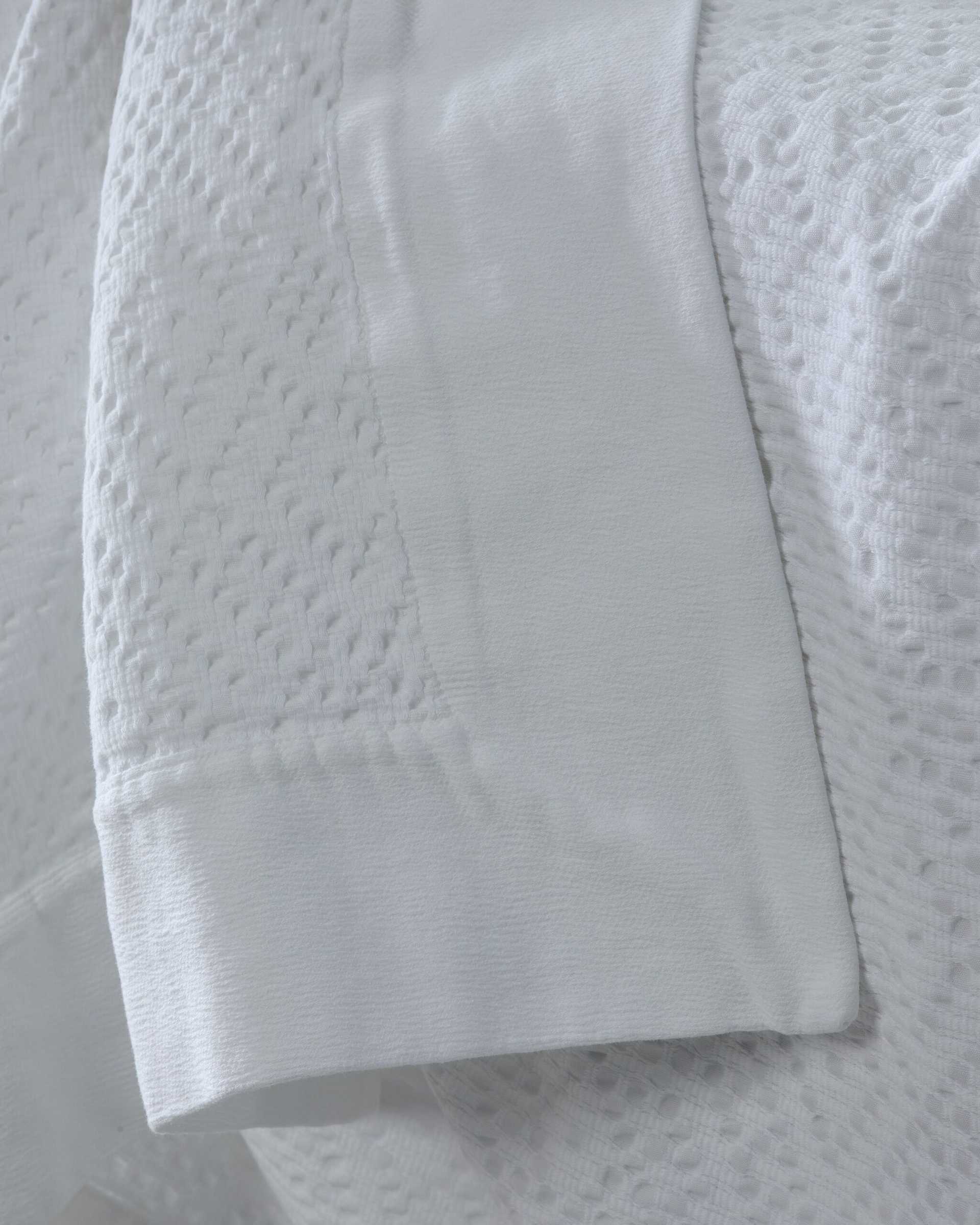
Linen brings a distinct look to that role. Its surface is naturally textured rather than perfectly uniform, and the fabric tends to drape with an ease that feels at home in both relaxed and more formal bedrooms. A linen cover can be made neatly, but it doesn’t need to look pressed flat to feel finished. That can be a welcome quality for anyone who likes a bed that feels comfortable and lived in, not styled to the last crease.
Texture also helps a mostly neutral bed feel layered. Pair a linen duvet cover with smooth cotton sheets, a quilted blanket, or pillows in a different weave, and the contrast does some of the decorative work. The mix can create depth without relying on many colors or accessories. For a quieter look, keep the palette close; for a livelier bed, let one element—such as a stripe—take the lead.
The appeal of striped linen bedding
Stripes are versatile because their effect depends on scale, contrast, and placement. Fine, closely spaced lines can read almost like texture from a distance. Wider bands tend to become a stronger focal point. A low-contrast stripe usually feels subtle and calm, while a sharper contrast brings more definition to the bed.
Before choosing striped linen bedding, consider what the pattern will sit beside. If your room already has patterned wallpaper, a detailed rug, or bold upholstery, a restrained stripe may provide a little order without adding visual noise. In a simple room, a more noticeable stripe can give the bed a clear point of interest. Neither approach is inherently better; the best balance depends on the surrounding surfaces and how much pattern you enjoy seeing every day.
Think, too, about how the cover will be made on the bed. A duvet naturally folds and gathers, so the stripe may not appear as a perfectly uninterrupted set of lines. That movement is part of the appeal of fabric with a soft drape, but it is worth keeping in mind if you want a very crisp, graphic effect. For a more cohesive arrangement, repeat one color from the stripe in a pillowcase or throw, then let the rest of the bedding stay simple.
Patterns can also influence the perceived scale of a bed. On a large bed, a stripe can help the top layer feel intentional rather than like a broad block of color. On a smaller bed, a fine pattern may add interest while keeping the overall effect light. These are visual impressions, not strict rules: a room’s light, furniture, and color scheme will all shape the final result.
What linen texture feels like in daily use
Linen is made from flax fibers and is known for its characteristic irregular surface. Small variations in yarn and weave contribute to the fabric’s texture. That quality can be especially appealing on a duvet cover, where the large expanse of fabric gives the material room to show its natural character. Instead of a slick, uniform finish, linen often brings subtle variation and a softly relaxed appearance.
Descriptions of linen bedding commonly highlight breathability and moisture management. How a cover feels in practice, however, depends on more than the fiber alone. Weave, fabric weight, room temperature, duvet insert, sleepwear, and personal preference all matter. Someone who enjoys a crisp, smooth surface may have a different response from someone who prefers a textured hand. If you are shopping online, look for clear material and care information, and treat broad comfort claims as a starting point rather than a guarantee.
Linen’s appearance can also evolve with use and laundering. Some pieces feel more structured at first; others are finished to feel softer from the beginning. A relaxed surface is not necessarily a sign that a cover is worn out. It may simply be part of the fabric’s intended look. Check the maker’s product description for details about finish and construction, and use the care instructions to help maintain the feel the item was designed to have.
Details to check before you choose
Beautiful fabric is only part of a good fit. A duvet cover that slides around, strains at the corners, or proves awkward to wash can quickly become less appealing. A few practical checks before purchase can make everyday use much easier.
- Measure the duvet insert. Compare its width and length with the cover’s stated dimensions. Bedding sizes and naming conventions can vary, so measurements are more useful than relying on a label such as “queen” or “king” alone.
- Check the finished dimensions. A cover should be compatible with the insert, but the intended fit can differ between designs. Read the measurements carefully and consult the maker if sizing is unclear.
- Look for the closure type. Buttons, ties, snaps, or another closure each have a different feel and maintenance profile. Check the product details to understand what is used and where the opening is positioned.
- See whether the cover has interior ties. Ties can help secure an insert at the corners or other attachment points when the insert and cover are designed to work together. Confirm the arrangement rather than assuming all covers include them.
- Review the fabric and finish. Look for the fiber content, weave or finish details, and any stated origin or certification. Those details can help you compare options, though no single label tells the whole story of comfort or durability.
- Read the care label before buying. Washing temperature, drying method, and ironing guidance can differ among linen products. Choose a routine you can realistically follow.
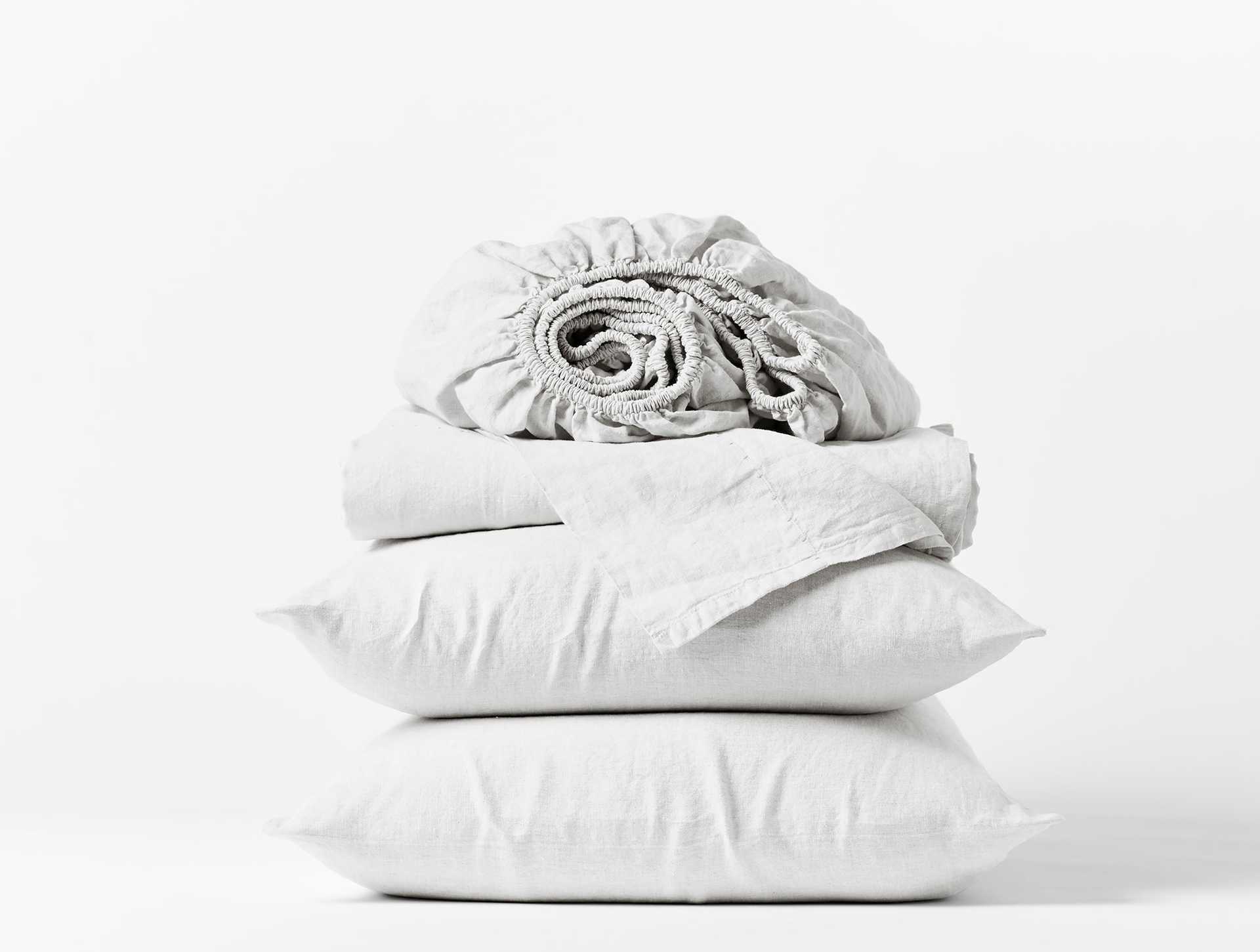
It can also help to consider the rest of the bed. A duvet cover does not have to match the sheets exactly. Coordinating colors, similar textures, or one shared accent color can make a set feel connected without creating a perfectly matched display. If your sheets are already patterned, a quieter cover may give the eye a place to rest. If the sheets are plain, stripes on top can supply the contrast.
Making stripes and texture work together
Mixing patterns can feel intimidating, but a few simple choices make it manageable. Begin with scale: a bold stripe is easier to balance with a small-scale pattern than with another large, high-contrast design. Then look for a shared color. That common note helps different fabrics feel related even when their patterns are not identical.
Texture can be an easier partner for a stripe than a second print. A plain, tactile blanket or cushion adds dimension without competing for attention. You might also balance the duvet cover’s pattern with smooth, understated sheets. The contrast lets the linen surface remain noticeable while keeping the bed from looking busy.
Keep the room in view, not just the bedding. A striped cover can echo lines already present in a headboard, window treatment, or rug, but it can also introduce a new visual direction. Try to notice whether those lines feel harmonious together. If the room already contains many competing details, a narrow stripe or softer contrast may be the calmer choice.
Linen duvet cover care at home
Good care starts with the instructions supplied for the specific item. Linen is a natural fiber, but that does not mean every linen duvet cover should be washed in the same way. Fabric weight, dye, finishing, stitching, and closure details may all affect the recommended routine. The care label takes priority over general advice.
- Prepare the cover. Close buttons or other fasteners as directed, turn the cover as recommended, and check pockets or corners for items that may have been left inside. Follow the product’s instructions about whether to wash it separately or with similar colors.
- Avoid crowding the washer. A large duvet cover needs enough room to move through water and rinse properly. If the machine is tightly packed, use a larger-capacity machine or a suitable laundry service rather than forcing the load.
- Choose the specified cycle and temperature. Gentle settings and mild detergent are often sensible for delicate textiles, but the maker’s label should guide the actual choice. Avoid assuming that a hot wash is necessary or appropriate.
- Use detergent thoughtfully. Measure according to the detergent directions and the size of the load. Excess detergent can be difficult to rinse out, while harsh products may not be suitable for every dye or finish.
- Dry with care. Follow the label for line drying or machine drying. If machine drying is permitted, avoid over-drying and remove the cover promptly. When line drying, spread the fabric so it is supported and can dry evenly.
- Finish only if needed. Some linen bedding is intended to keep a relaxed texture and may not require ironing. If the care label permits ironing and you prefer a smoother look, use its recommended temperature and method.
Don’t rely on a general internet tip if it conflicts with the label. A cover with a particular finish, color, trim, or closure may need different handling from another item made with linen. When instructions are missing or unclear, ask the seller or maker for guidance before trying a new cleaning method.
How to keep a duvet cover looking inviting
A bed can look polished without being perfectly pressed. Shake the duvet gently to redistribute the insert, smooth the top with your hands, and arrange the corners so the cover lies evenly. If the design has stripes, a quick adjustment can help the pattern sit as you prefer, though natural movement is part of how a soft cover behaves during use.
Rotate bedding if you have more than one set, and make sure the cover is fully dry before putting it away. Store clean linen in a dry place with enough room to breathe, rather than compressing it into a damp or overfilled cupboard. A simple storage routine can make changing the bed easier and reduce the chance that a cover will pick up unwanted odors while unused.
For regular freshness, pay attention to the insert as well as its cover. Follow the insert’s own care instructions, since it may require a different cleaning schedule or method. The cover offers a practical barrier, but it does not remove the need to care for the bedding beneath it.
A quick decision checklist
If you are comparing Libeco linen duvet covers or striped linen bedding more generally, pause over these questions before settling on a style:
- Does the cover’s measured size suit the duvet insert you already own?
- Do you like the stripe’s scale and contrast alongside your existing sheets and room colors?
- Does the fabric description explain the fiber content and finish clearly?
- Are the closure and any interior attachment details practical for your setup?
- Can you follow the recommended washing and drying routine at home?
- Would the linen’s natural texture feel appealing in your everyday bedroom, not just in a styled photograph?
The bottom line
A linen duvet cover earns its place through a combination of appearance and practicality. Stripes can add definition and a sense of order, while linen’s natural texture brings softness and a more relaxed note to the bed. Together, those elements create a look that can feel fresh without demanding an elaborate styling routine.
The smartest choice is the one that fits your duvet, works with your sheets, and suits the care you are willing to give it. Check the dimensions, closure, fabric details, and label instructions before deciding. Then let the bed be comfortable and personal: a little pattern, visible texture, and everyday ease can be more than enough to make a bedroom feel like a place you are glad to return to.