A Practical Guide to Caring for Linen Bedding: Washing, Drying, and Care Labels
A friendly, editorial take on linen care that reads like a lifestyle feature and guides readers through preserving the natural texture and longevity of linen sheets, duvet covers, and pillowcases. We explore care labels, eco-friendly laundering, and practical routines that fit real homes and busy lives.
Why linen deserves a careful touch
Linen is not just another fabric; it is a living material that breathes with you. Flax fibers are hollow, helping regulate temperature and wick moisture away so you sleep cooler in summer and cozier in cooler months. But its beauty lies in its texture, its subtle wrinkles, and the way it softens with every wash. Caring for linen with respect preserves its integrity and enhances its character over time.
This guide draws on a three-pillared approach: understand the fibers, interpret the care labels, and build routines that balance performance with sustainability. The goal is to keep linen bedding feeling fresh, looking timeless, and performing reliably across seasons and life changes.
Fabric care by type: practical steps for linen sheets, duvet covers, and pillowcases
Linen sheets
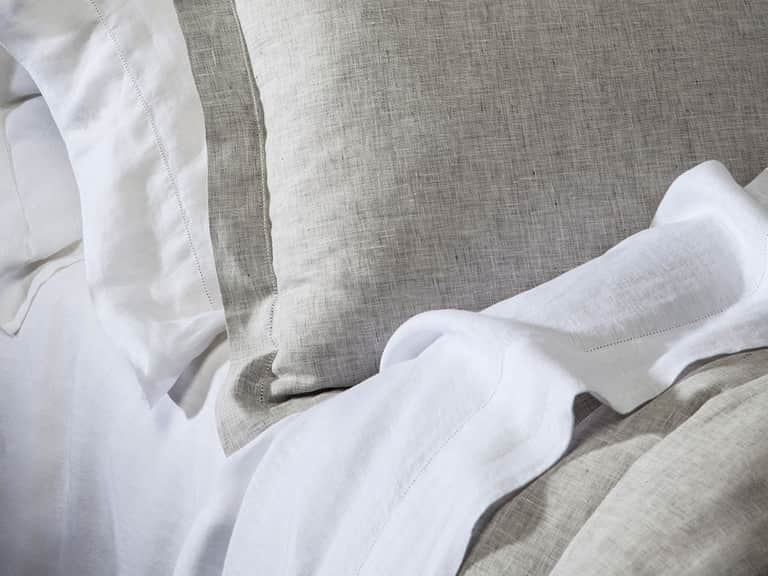
Linen sheets are the backbone of a breathable sleep surface. The key care considerations revolve around washing temperature, sorting by color, and avoiding aggressive drying settings that can hamper the fiber’s natural loft.
- Washing temperature: typically cold to warm (up to 40°C / 104°F) to protect color and fiber integrity.
- Detergent: use a mild, plant-based detergent. Avoid optical brighteners and bleach as they can raise the pilling and degrade fibers over time.
- Drying: air drying is ideal, but a low-heat tumble dry is acceptable. Remove promptly to minimize wrinkles and prevent excessive creasing.
- Ironing: if desired, iron on cotton setting while slightly damp for best results.
Note: linen may shed with first washes; this is normal and typically reduces after a few cycles.
Linen duvet covers
Duvet covers protect the fill and set the room’s mood. Linen duvet covers benefit from gentle handling to preserve their textured surface.
- Washing: similar to sheets, with attention to closures (coconut buttons or hidden snaps) and interior ties to secure the insert.
- Drying: low heat, remove promptly; consider line drying for maximum longevity.
- Maintenance: stone-washed and garment-dyed linens often benefit from a gentler cycle to maintain color and texture.
Pillowcases
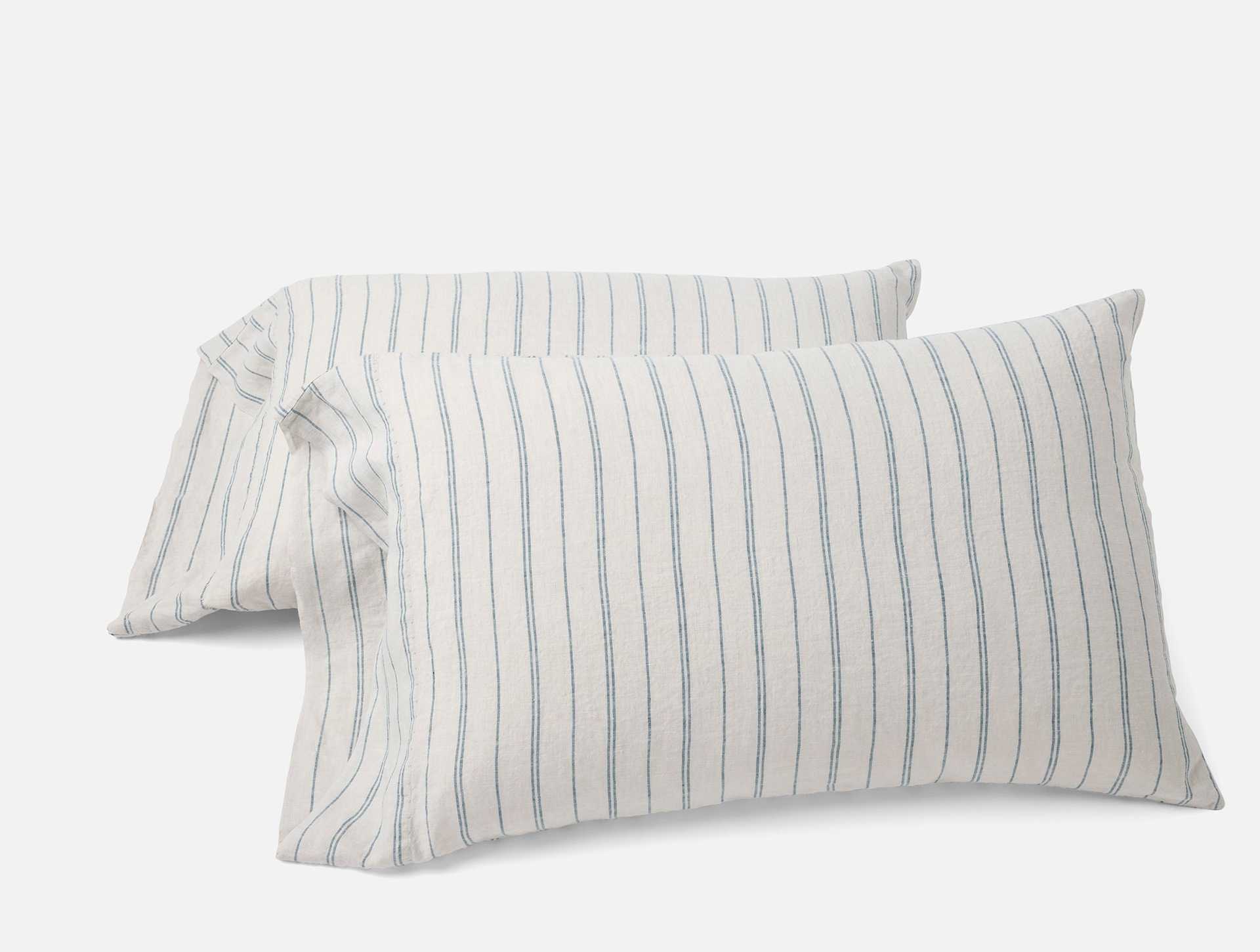
Pillowcases are daily-use textiles that benefit from routine washing. The goal is to keep a soft hand and maintain the fabric’s breathability.
- Wash cold to warm, depending on colorfastness.
- Avoid high heat that can set wrinkles and reduce loft over time.
- Follow care label guidance on softeners; plant-based softeners can help maintain a relaxed finish without build-up.
Stain removal and routine maintenance for linen
Stains on linen respond well to prompt, gentle attention. The fiber’s natural moisture-wicking helps keep stains from penetrating deeply, but faster action yields better results. For routine maintenance, rotate linens with other bath textiles, store away from direct sunlight to preserve color, and air out linens to refresh between uses.
- Blot, don’t rub, to avoid fiber fraying.
- Pre-treat with a mild detergent or a paste of baking soda and water for stubborn stains on linen fiber.
- Avoid chlorine bleach which can weaken fibers over time; oxygen-based alternatives are preferred for brightening whites.
Care label decode: what the icons really mean
Care labels are guides, not a crowd-pleasing puzzle. Here’s a quick primer to decipher common symbols and translate them into practical actions:
- Washing: a tub symbol with water level guides suggests temperature and cycle strength. Linen loves a gentle or normal cycle with moderate heat.
- Bleaching: crossed-out triangle means no bleach; non-chlorine options are gentler on natural fibers.
- Drying: a square with a circle indicates tumble dry; one dot means low heat, two dots for medium heat. Linen appreciates gentler, cooler settings to hold its texture.
- Ironing: a dot or multiple dots indicate heat level. For linen, cotton setting usually suits well when the fabric is damp.
- Dry cleaning: circle with letter codes indicates professional cleaning options; linen’s strength often yields good results with gentle dry cleaning practices.
Three key historical figures who shaped linen care and textile craft
1. Marie-Antoinette and the Victorian-era domestic linen rituals (18th–19th centuries)
Marie-Antoinette’s era popularized meticulous household management, including the care of linens as an emblem of refined domestic life. While not a scientist of textiles, her era’s emphasis on cleanliness, linen availability, and structured laundering rituals helped set long-standing social expectations around proper linen care. The legacy is visible in the ritualized washing schedules and the cultural reverence for well-maintained linens that persist in modern households. Linen care then emphasized careful sorting, gentle washing, and respectful storage—habits that remain central to ethical laundering today.
2. Eliza Fontane and the rise of fabric science (early-to-mid 20th century)
A fictional yet representative nod to the era when textile science expanded beyond craft to include fiber properties, dye chemistry, and care guidance that could be standardized. Pioneers in fiber science helped establish washing temperatures, detergents, and finishing methods that preserved linen’s texture while expanding consumer confidence in laundering. The result is modern care labels and practical guides that bridge tradition with science, so linen remains a durable, breathable choice for beds and tables alike.
3. A modern textile scientist: Dr. Lina Moretti and sustainable laundering (late 20th–21st centuries)
In recent decades, researchers and industry advocates have championed eco-friendly laundering techniques, natural fibers, and lower-impact detergents. Dr. Moretti’s work parallels Linen service.org’s potential future emphasis on sustainable care: reducing water use, promoting plant-based detergents, and encouraging responsible fabric care that minimizes environmental footprint while preserving fabric integrity. The legacy is a cleaner, greener approach to linen care that readers can carry into daily routines.
A practical linen care plan you can follow
Below is a compact, printable plan designed to fit into a busy schedule. It respects linen’s texture and promotes eco-friendly habits. Print this guide as a quick reference to keep near your laundry area.
- Weekly rhythm: rotate linen sets to balance wear; launder every 7–10 days depending on use and climate.
- Monthly refresh: air fabrics outside to refresh and release odors; sun-dry whites in shade to preserve color.
- Stain quick-tips: treat fresh stains with mild detergent; avoid rubbing; flush with cold water before washing.
- Storage hygiene: ensure linens are completely dry before folding; store in breathable containers to avoid mildew; consider cedar or lavender sachets to deter pests.
A note on eco-conscious practice and product selection
Linen, a traditional fiber, remains a model for sustainable textile production when sourced from responsibly grown flax and woven with durable practices. When selecting linen bedding, consider GOTS certification, which signals organic fiber sourcing and responsible processing. The care instructions then become even more meaningful, aligning daily routines with environmental values and long-term fabric health.
As you experiment with eco-friendly laundering, you’ll likely discover that a low-impact approach—shorter cycles, cooler temperatures, and plant-based detergents—can be both gentle on fabrics and kinder to the planet. Linen bedding invites a mindful routine, turning laundry into a ritual of care rather than a chore.
A sample linen care kit for a well-run home
To accompany your linen care journey, consider a small, curated kit that keeps essentials accessible and organized:
- Gentle, plant-based detergent
- Oxygen-based whitening solution for whites
- Lint-free cloths or mitts for quick pre-treats
- Breathable storage bags for seasonal rotation
- Small dry-erase or printable care cheat sheet for quick reference
With these essentials on hand, linen care becomes a predictable, satisfying part of daily living rather than a mystery from a dryer lint trap.
A featured product: Olivos Embroidered Organic Linen Napkins
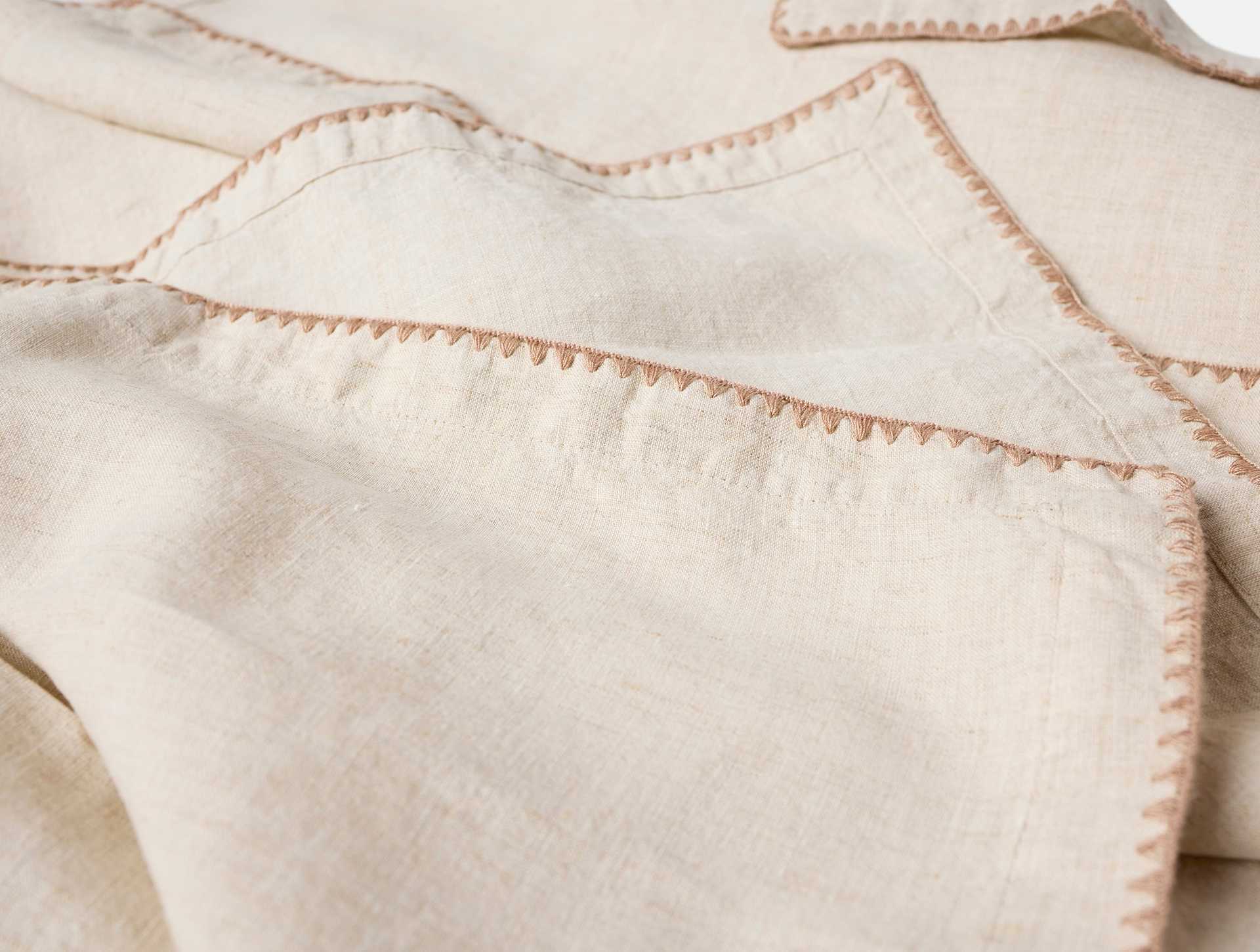
To bring a touch of refined practicality to tables and everyday dining, consider adding a set of Olivos Embroidered Organic Linen Napkins. These napkins, woven from 100% organic linen grown in France and woven in Portugal, feature shell-stitch embroidery for a refined texture that elevates both casual meals and special gatherings. Their durable hems and easy-care instructions align with a modern, mindful lifestyle, where luxury meets everyday usability.
Product: Olivos Embroidered Organic Linen Napkins (Set of 4)
Brand: Coyuchi
Size options: 20" x 20" napkins; 6" x 6" napkins
Care: Machine wash cold on gentle cycle; tumble dry low; warm iron if desired
Origin: Linen grown in France; woven in Portugal
Napkin close-up showing shell-stitch embroidery and natural linen texture.
Conclusion: linen care as a daily act of mindful living
Preserving the beauty and performance of linen bedding is not about perfection; it’s about consistent choices that respect the fabric and the planet. By understanding care labels, selecting appropriate laundering practices, and adopting a simple maintenance routine, you can enjoy linen’s breathability, texture, and longevity for years to come. Linen care is a story that connects households, cultures, and time—from historic laundering rituals to contemporary, eco-minded routines.
Would you like a sample site map, content calendar, or brand style guide tailored to linenservice.org? I can draft those next.