 Bedding
Tex Bedcover
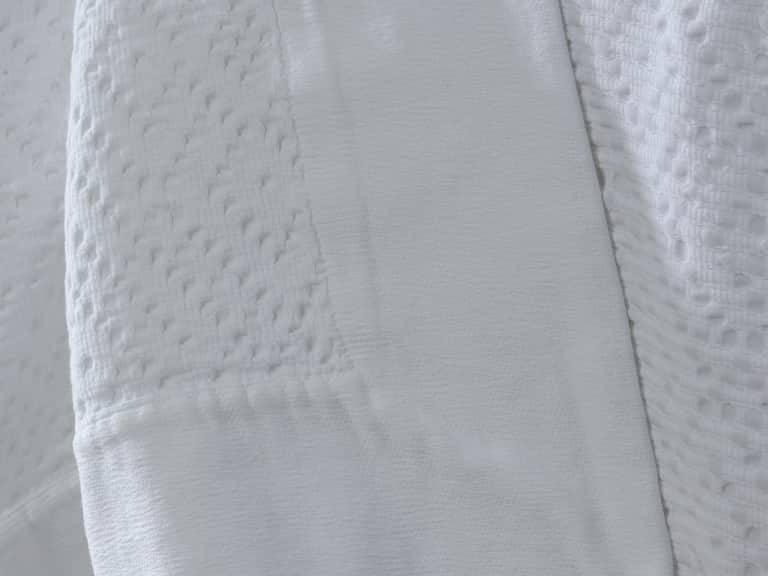
Sleep cooler and calmer with breathable 100% cotton, a soft waffle texture, and a loom-woven border for a tidy, tactile finish that stays comfy all summer.
Blankets and quilts provide essential warmth, comfort, and insulation across diverse climates and sleeping preferences. This category highlights textile constructions, fabric blends, and care considerations that influence thermal performance, softness, and durability. Understanding factors such as weave weight, fiber content, and fill type helps users select layers that align with seasonal needs and sleeping habits.
Common blanket materials include cotton, linen, wool, and blends, each offering distinct advantages in breathability, moisture management, and resilience. Linen, known for its crisp texture and temperature regulation, pairs well with layered bedding. Quilts often incorporate lightweight batting and intricate stitching to balance warmth with year-round usability.
Among notable products in this category is the Tex Bedcover, a versatile piece designed to complement linen bedding systems. Features may include a breathable exterior fabric, durable stitching, and a balanced weight suitable for transitional seasons. Functional benefits center on enhanced warmth distribution, ease of care, and compatibility with varying sheet and duvet configurations.
Key considerations for selecting blankets and quilts involve thread count, fabric finish, and compatibility with existing sheets or duvet covers. Care guidance typically covers washing temperatures, drying methods, and lint management to maintain texture, color fastness, and overall longevity of the textile investments.
In educational terms, the category emphasizes the role of layering in sleep comfort, thermal zones within bedding, and the influence of natural fibers on skin perceived softness. Keywords such as bedding, pillows, sheets, duvet covers, and bath reflect the broader textile ecosystem while remaining focused on instructional value and practical usage.
Bedding